



 By Brent Ervin-Eickhoff
•
17 Apr 2022
•
Updated 23 Sep 2026
•
6 min read
•
Training & Corporate Materials
By Brent Ervin-Eickhoff
•
17 Apr 2022
•
Updated 23 Sep 2026
•
6 min read
•
Training & Corporate Materials
You personalize an RFP response by tailoring the proposal to the specific client’s industry, stakeholders, challenges, and brand, rather than sending the same generic pitch to every prospect.
Every proposal team wants a higher RFP win rate, but wanting it and achieving it are two different things. When dozens of vendors compete for the same deal, even an existing customer relationship isn’t a guarantee. RFP responses already take dozens or hundreds of hours to complete, pulling in stakeholders, executive buy-in, and sometimes outside consultants. So how do you actually move the needle on your win rate? Personalize it.

What Is a Good RFP Win Rate?
A good RFP win rate is one that beats the industry average of around 45%.
Before you dive into personalizing your process, it helps to know where you stand. Vendors win about 45% of their proposal submissions on average, according to recent industry benchmarking. As you review your own numbers, ask whether you’re above or below that mark. Even if you’re already ahead of it, there’s usually room to improve. And if you’re new to RFPs, matching that average may take some time. Building a personalization process into your proposal workflow will help you get there faster.
What Does It Mean to Personalize an RFP response?
Personalizing an RFP response means tailoring the proposal to the client’s specific industry, stakeholders, needs, challenges, and even brand personality, so the review team feels like you built the solution just for them.
Starting from a proposal template actually makes personalization easier, not harder. Without one, you’re building each proposal from scratch, which leaves no time for the personal touches that win business. A good template gives you a strong foundation so you can spend your time on the details that make the pitch feel specific to that client, including how you print and present it.
How Do You Personalize Your RFP Response? (7 Tips)
You personalize an RFP response by building industry-specific templates, tailoring your images and cover letter to the client, treating the printed presentation as part of the pitch, and leading every answer with a direct response instead of a runaround.
1. Build more than one template.
Your proposal’s core structure should come from an easy-to-replicate template, but you need a version tailored to each of your target industries. A single generic template that goes to businesses, schools, and factories alike signals that you haven’t thought about any of them specifically.
2. Include a tailored photo or image.
Match your cover image to the client’s industry, not just your product. If your solution helps students engage with digital content, show it in a classroom. If it also serves HR teams, show it in a corporate setting. Use a high-resolution image that holds up both on screen and in print.
3. Open with a personal letter.
If your cover photo is the face of the proposal, the letter is the handshake. It’s an easy step to skip, but it’s one of the clearest human touches you can add. The letter should explain how your solution solves the client’s specific problem, and it should carry a real signature, ideally from the account manager or another stakeholder with a direct connection to the client.
Don’t confuse the letter with your executive summary. They may look similar, but the letter’s job is to add a personal note, not summarize the proposal.
4. Give the letter the same care as the rest of the proposal.
After weeks or months perfecting the proposal itself, it’s easy to leave the letter for the last minute. Don’t. A well-written, personalized letter is often what makes your brand and your solution memorable.
5. Treat the printed presentation as part of the pitch.
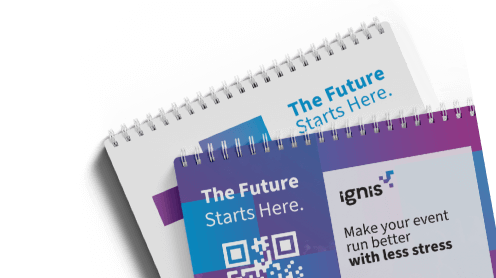
A strong proposal and a thoughtful letter lose their impact if they show up on yellowing paper from an office printer. Since many review teams still read proposals in hard copy, on-demand printing gives you the paper stock, binding, and turnaround time that match the quality of what you wrote, without the risk of a proposal arriving late.
6. Acknowledge current events.
If broader market conditions have affected your product or industry, say so, and show how your team adapted. Naming a shared challenge and showing your response to it builds credibility with a client facing the same conditions.
7. Put answers first.
Reviewers should never have to hunt for an answer. If the RFP asks whether you support a specific feature, answer yes or no in the first line, then explain. Skip the link-outs, too. Since many proposals get reviewed in print, a URL a reader has to type in by hand is a URL that won’t get visited.
Personalizing your RFP response takes more upfront effort, but it’s the kind of effort that pays off directly in your win rate. The more proposals your team personalizes, the faster the process gets.
Once your content and letter are ready, the print job matters just as much. We help sales enablement and RFP teams build their proposals online and choose binding, paper, and finishing options that make the proposal feel as intentional as the writing inside it, then ship it directly to the client on time.
Frequently Asked Questions
What’s a good RFP win rate to aim for?
Aim to beat the industry average of around 45%, based on recent proposal team surveys. Your target should also account for your industry and deal size, since win rates vary widely across sectors.
Does personalizing an RFP response actually help win more business?
Yes. A personalized proposal, tailored to the client’s industry, stakeholders, and challenges, shows the reviewer you understand their specific situation rather than sending a generic pitch. That distinction is often what separates a shortlisted proposal from a rejected one.
Should I still use a proposal template if I want a personalized RFP?
Yes. A template gives you a consistent, efficient starting point so your team can spend time on personalization instead of rebuilding the proposal structure from scratch each time.
Key Takeaways
- The average RFP win rate is around 45%. Use that as your benchmark, then adjust for your industry.
- Personalization means tailoring your proposal’s content, images, and letter to the specific client, not just filling in a template.
- A personal letter, signed by someone with a real connection to the client, adds a human touch that’s easy to overlook.
- Printed presentation matters. On-demand printing gets a polished, on-time proposal into your prospect’s hands.
- Put direct answers first in every response so reviewers never have to search for them.
Ready to bring your personalized RFP to life? Get started with Mimeo today.

Brent Ervin-Eickhoff
Director of Marketing
Brent Ervin-Eickhoff is a Chicago-based marketer with B2B and B2C experience spanning corporations, agencies, and non-profits, including five years of experience in print. From Volkswagen to the University of Chicago, his background is focused in crafting marketing campaigns that drive results.

 Mimeo Print
 Mimeo Digital for Participants
 Mimeo Marketplace
 PrintX
 Mimeo Photos