



 By Hannah Madden
•
31 Mar 2026
•
Updated 16 Jun 2026
•
5 min read
•
Direct Mail & Print Marketing
By Hannah Madden
•
31 Mar 2026
•
Updated 16 Jun 2026
•
5 min read
•
Direct Mail & Print Marketing
Direct mail marketing is a form of advertising where businesses send physical promotional materials like postcards, letters, or catalogs directly to a targeted audience through the mail.
It delivers a specific message or offer to a person or household, often using customer data to personalize the content and drive action. Unlike digital ads, direct mail reaches people in a physical mailbox, making it more tangible and harder to ignore.
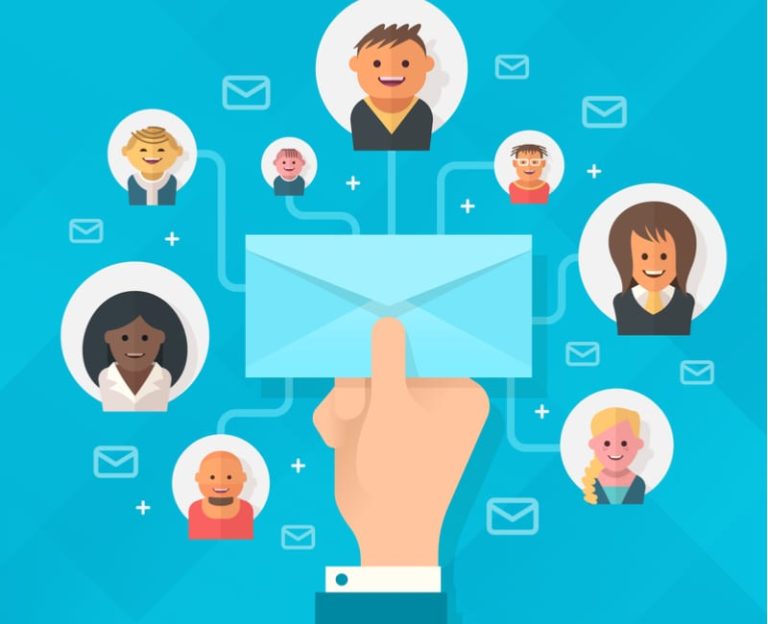
In simple terms, direct mail marketing puts a targeted message directly into someone’s hands and encourages them to respond.
Common Examples of Direct Mail Marketing
Direct mail formats vary depending on your goal and audience:
- Postcards for short, high-impact promotions
- Letters for personalized or formal communication
- Brochures for product education and storytelling
- Self-mailers for cost-effective folded campaigns
- Catalogs for showcasing multiple products
- Dimensional mailers or packages for memorable, high-value outreach
How Direct Mail Marketing Works
Direct mail marketing follows a clear, structured process:
- Define your goal
Decide what you want to achieve, such as generating leads, driving sales, or increasing foot traffic. - Build your audience
Use your customer data or a targeted mailing list based on location, demographics, or behavior. - Create your message
Develop a clear, customer-focused offer with a strong call to action. - Design your mail piece
Choose a format and layout that highlights your message and makes it easy to respond. - Print and send
Produce your materials and distribute them through the postal service. - Track results
Measure responses using QR codes, promo codes, or dedicated landing pages.

Benefits of Direct Mail Marketing
The power of direct mail comes from the fact that it combines targeting with a physical experience.
Stronger engagement
People tend to spend more time with physical mail than digital ads, which helps your message stand out.
High visibility
Mail reaches the inbox people actually check daily: their mailbox.
Precise targeting
You can target by ZIP code, household, business type, or customer behavior.
Measurable performance
Tracking tools like QR codes and personalized URLs make it easy to measure results.
Supports other channels
Direct mail works well alongside email, digital ads, and social media to reinforce your message.
When to Use Direct Mail Marketing
Direct mail is effective across a wide range of use cases:
- Promoting a new product or service
- Re-engaging past customers
- Driving traffic to a local store or event
- Supporting sales outreach in B2B campaigns
- Delivering time-sensitive offers or promotions
How to Create a Successful Direct Mail Campaign
- Start with a clear objective
Define what success looks like and align your audience, offer, and timing to that goal. - Choose the right audience
Use clean, accurate data to ensure your message reaches the right people. - Create a compelling offer
Give recipients a reason to act with a clear benefit, such as a discount, trial, or exclusive access. - Design for clarity
Use a strong headline, simple layout, and clear call to action. Make it easy to understand at a glance. - Make it easy to respond
Include multiple response options like a QR code, URL, phone number, or physical location. - Plan your timing
Coordinate delivery dates with your campaign goals and any supporting marketing channels to maximize direct mail ROI.
How to Measure Direct Mail Results
To understand performance, track direct mail metrics that align with your goal:
- Response rate
- Conversion rate
- Cost per acquisition
- Revenue per campaign

Use tools like QR codes, personalized URLs, and promo codes to connect responses directly to your campaign. Then use those insights to improve future mailings.
Direct Mail vs Digital Marketing
Direct mail and digital marketing are most effective when used together.
Direct mail captures attention with a physical presence. Digital channels reinforce the message and provide fast ways to respond. When combined, they increase reach, frequency, and overall campaign performance to boost your direct mail statistics.
Getting Started with Direct Mail Marketing
Start small and test your approach. Choose a focused audience, send a pilot campaign, and measure the results.
Refine your message, targeting, and format based on what works, then scale your efforts over time. With the right strategy, direct mail marketing can become a reliable and measurable driver of growth. For more information, check out our top tips for running a successful direct mail campaign.
Ready to launch a direct mail campaign that drives real results?
Create, print, and deliver targeted mail with speed and precision using Mimeo.
What is direct mail marketing in simple terms?
Direct mail marketing is sending physical promotional materials like postcards or letters to a targeted audience to encourage a response or purchase.
Is direct mail marketing still effective?
Yes. Direct mail remains effective because it reaches people in a less crowded space, creates a tangible experience, and often drives strong response rates.
What are examples of direct mail marketing?
Common examples include postcards, catalogs, brochures, letters, and promotional packages sent to customers or prospects.
How do you measure direct mail marketing success?
You can track success using response rates, conversions, promo codes, QR codes, and personalized URLs tied to each campaign.

Hannah Madden
Content Marketing Manager
Hannah Madden is Content Marketing Manager at Mimeo, with nearly a decade of experience in content strategy, SEO, and storytelling. She specializes in making complex topics accessible, translating the nuances of print, document production, and workplace communications into content that's actually useful for the people who need it. Her posts cover everything from print best practices to content strategy for businesses that rely on professional documents.

 Mimeo Print
 Mimeo Digital for Participants
 Mimeo Marketplace
 PrintX
 Mimeo Photos