




 By Paul Arnold
•
15 Oct 2018
•
Updated 21 Jul 2026
•
7 min read
•
Training & Corporate Materials
By Paul Arnold
•
15 Oct 2018
•
Updated 21 Jul 2026
•
7 min read
•
Training & Corporate Materials
Customer training plays a critical role in customer retention, customer satisfaction, and long-term customer success. When customers understand how to use your product, they are more confident, more engaged, and far less likely to churn. For many organizations, the instinctive response is to invest in an LMS or learning management system. After all, LMS platforms dominate search results for customer training software.
But an LMS is not always the right solution for training your customers. In fact, many customer training teams discover that a traditional LMS creates unnecessary friction, limits access, and complicates the learning experience. If you are delivering training programs to external audiences, you may not need an LMS at all.
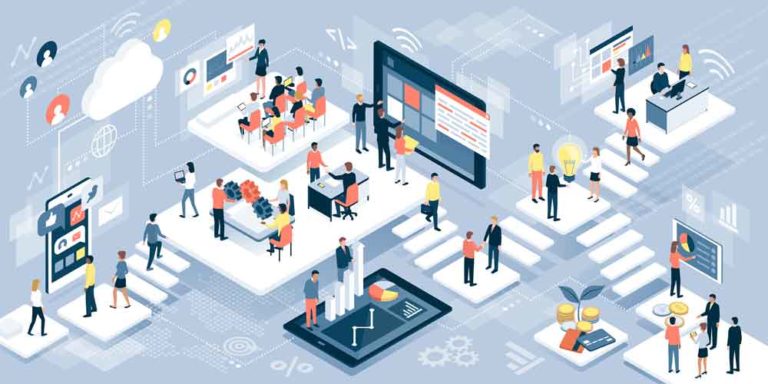
This guide explains why customer training without an LMS can be more effective, what alternatives exist outside an LMS, and how to design a modern customer training strategy that supports course completion, customer education, and long-term loyalty.
Understanding the Role of an LMS in Customer Training
A learning management system is typically designed to manage L&D and corporate training at scale. It excels at tracking learner progress, enforcing completion requirements, managing certifications, and supporting employee training and compliance initiatives.
For internal teams, this structure makes sense. Employees log in daily, already have credentials, and are required to complete training courses as part of their job. An LMS platform supports that environment well.
Customer training is different. Customers are external learners with diverse needs, varying levels of engagement, and limited patience for friction. When you use an LMS for customer training, you often inherit challenges that were never designed for customer education programs in the first place.
Common LMS Limitations for Customer Training
Many LMS platforms struggle to support an effective customer training experience. These limitations directly impact completion rates, customer engagement, and customer satisfaction.
First, access is a major barrier. Customers must create accounts, manage passwords, and navigate unfamiliar interfaces. If a learner cannot quickly access training materials, course completion without using an LMS may actually be higher.
Second, the learning experience often feels generic. Many LMS platforms are built for internal use, not branded customer training. This disconnect can weaken your customer experience and undermine your product training efforts.
Third, LMS platforms are slow to adapt. Updating training content often requires administrative workflows, approvals, and technical expertise. For fast-moving products, this makes it difficult to deliver training on new features, updates, or changes. Training your customers on outdated content damages trust and reduces the value of your training initiative.
Fourth, LMS platforms rarely align with customer needs across different customer segments. A single rigid structure does not support different customer learning paths, learning styles, or unique needs.
Why Customer Training Without an LMS Often Works Better
Customer training without an LMS allows teams to focus on access, flexibility, and relevance. When training lives outside an LMS, customers can access training materials in the moments that matter most.
This approach supports modern customer training in several ways:
- Faster access training without logins or barriers
- Flexible formats that support different learning styles
- Easier updates to training content
- Better alignment with the customer journey
- Improved customer engagement and completion rates
For many teams, the goal is not to manage training but to deliver training. Removing the LMS allows you to focus on outcomes instead of administration.
Customer Training Alternatives Outside an LMS
If you do not have an LMS or simply do not want to use an LMS, several customer training platforms and approaches can deliver a robust customer training experience.
Help Centers and Knowledge Bases
Help centers are one of the most effective ways to deliver customer education without an LMS. These platforms provide searchable access to training material, product documentation, and elearning content.

A strong help center supports customer onboarding, customer support, and ongoing product training. Customers can self-serve based on their training needs and return whenever they need reinforcement.
Help centers work especially well for:
- Just-in-time learning
- Product updates and feature releases
- Ongoing customer education
- Different customer segments with diverse needs
Because content is modular, it is easy to update training modules and ensure accuracy.
Digital Leave-Behinds and Training Resources
Leave-behind resources like printed job aids for virtual training programs support course completion without forcing customers into an LMS. These resources include workbooks, guides, quick reference materials, and digital training content.
Providing access training materials after live or instructor-led training helps reinforce learning and improves completion rates. Personalized training resources can also strengthen customer relationships and increase customer loyalty.
Digital distribution platforms make it easy to deliver training content in formats customers can access on any device. This supports online learning without requiring a full learning management system. As a bonus, you can also personalize each workbook, like Blackbaud does, to provide higher value to your clients.
Mobile-First Customer Training Platforms
Customers expect training to be accessible on mobile devices. A modern customer training platform should support online training, elearning courses, and digital training resources without forcing learners into a rigid LMS experience.

Mobile-friendly platforms allow customers to access training when and where they need it. This flexibility supports customer learning across time zones, roles, and customer segments.
Using a platform designed for content distribution rather than course management allows teams to create training once and deliver it everywhere. This approach scales customer training without the overhead of many LMS platforms.
Designing an Effective Customer Training Strategy Without an LMS
Successful customer training does not start with technology. It starts with strategy. Whether you use an LMS or not, effective customer training strategy depends on understanding your audience and aligning training with customer needs.
Key best practices include:
- Define the purpose of each type of training
- Align training content to the customer journey
- Support different customer segments and learning styles
- Focus on outcomes like customer success and retention
- Measure completion rates and engagement
Customer training programs should feel helpful, not mandatory. Removing the LMS often makes training feel more approachable and relevant.
When You Might Actually Need an LMS
This does not mean you never need an LMS. Some customer training lms platforms are well-suited for formal certification, regulated industries, or structured customer education programs.
You may need an LMS if you must:
- Enforce mandatory course completion
- Issue certifications or compliance tracking
- Manage large-scale structured learning paths
- Support formal assessments and testing
In these cases, choosing an LMS carefully is critical. Many teams still combine an LMS for specific use cases with alternative platforms for broader customer training.
The key is understanding when an LMS allows value and when it introduces friction.
The Future of Customer Training Is Flexible
Customer expectations continue to evolve. Modern customer training prioritizes access, relevance, and experience over rigid systems. For many organizations, training outside an LMS leads to better customer engagement, higher completion rates, and stronger customer success outcomes.
You do not need an LMS to deliver comprehensive training, scalable customer training, or a strong learning experience. What you need is a clear strategy, the right training resources, and a platform that supports how customers actually learn.
If your customer training lives outside a traditional LMS, the right distribution tools matter. Mimeo helps teams deliver customer education, onboarding, and product training, giving customers easy access to training content across devices and moments that matter. Explore Mimeo now for customer training and content distribution.
Frequently Asked Questions
Do I need an LMS for customer training?
No. Many teams deliver successful customer training without an LMS by using help centers, digital training platforms, and mobile-friendly content distribution tools.
What is the biggest downside of using an LMS for customer training?
The biggest downside is access. LMS platforms often create friction for external learners, which lowers engagement and course completion rates.
How do you track customer training without an LMS?
You can track engagement using analytics from your training platform, content views, completion checkpoints, and customer success feedback instead of traditional LMS reporting.
Can customer training without an LMS scale?
Yes. Scalable customer training depends more on content design and distribution than on an LMS. Modern platforms allow teams to deliver training to large customer audiences efficiently without managing a learning management system.

Paul Arnold
VP of Customer Success
Paul Arnold is VP of Customer Success at Mimeo, where he's spent over 13 years working directly with customers: first in account management and enterprise sales, and now leading the teams that support them. Having managed relationships with Fortune-level companies through every stage of the print buying cycle, he knows firsthand where document programs succeed and where they break down. His posts help businesses get more value from their print operations, from onboarding through long-term growth.

 Mimeo Print
 Mimeo Digital for Participants
 Mimeo Marketplace
 PrintX
 Mimeo Photos