



 By Shari Cooke
•
6 Aug 2026
•
6 min read
•
Design & Print Production
By Shari Cooke
•
6 Aug 2026
•
6 min read
•
Design & Print Production
The right binder depends on how your documents will actually get used. Ring shape affects how pages sit, how many sheets fit, how the binder holds up over time, and how easy it is to flip through.
Here’s how D-rings and O-rings compare, along with what to weigh before you settle on ring binders for your next project.
What’s the Difference Between a D-Ring and an O-Ring Binder?
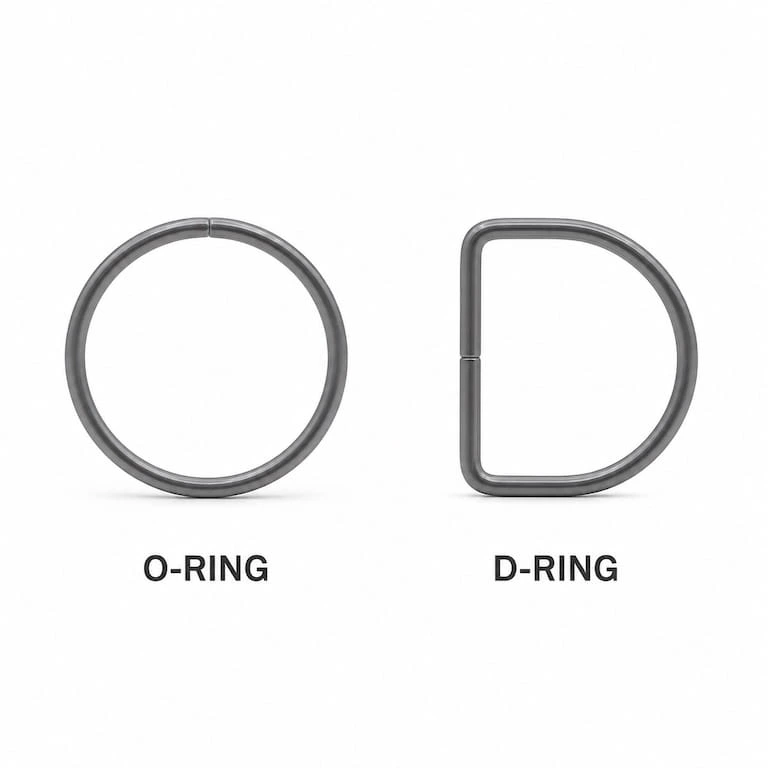
The main difference is ring shape. D-rings have a flat edge along the spine that keeps pages flatter and holds more sheets. O-rings are fully circular, which centers the stack but limits capacity and can stiffen page turns once the binder fills up.
Does Ring Shape Affect How Pages Sit?
Yes. D-rings have a flat side along the spine and a curved front. That keeps your pages in a straight, even stack and reduces bowing, which makes flipping easier as a binder fills up. O-rings are fully circular, so they center the stack. That can add curvature and make page turns slightly stiffer once the binder is full.
Which Ring Style Keeps Pages Aligned Longer?
D-rings do. They hold sheets flatter, which keeps tabs and sheet protectors aligned and makes edge-to-edge reading easier. O-rings put more pressure on the innermost holes, so pages can crease near the rings over time if you pack the binder tightly.
Which Binder Holds More Sheets?
D-rings hold more. Thanks to the flat edge, a D-ring typically holds 20 to 25 percent more sheets than the same ring size in an O-ring binder. A 1-inch D-ring often matches the practical capacity of a 1.25-inch O-ring, and the gap grows as ring size increases. If you’re building something large, D-rings usually win on capacity.
Which Ring Style Turns Pages More Smoothly?
D-rings turn more smoothly under heavy use. Pages glide from the flat spine side to the curved front, so turns stay smooth even as the stack grows. O-rings flip cleanly with lighter loads but can snag at the hole edges as the stack thickens.
Which Binder Lasts Longer Under Heavy Use?
D-rings tend to last longer. They spread stress more evenly across punched holes, which cuts down on tearing, especially with heavy paper or sheet protectors. O-rings concentrate stress at the ring’s apex. Both hold up well, but if you’re adding and removing pages often, D-rings tend to perform better long term.
How Do You Measure Binder Capacity for a Project?
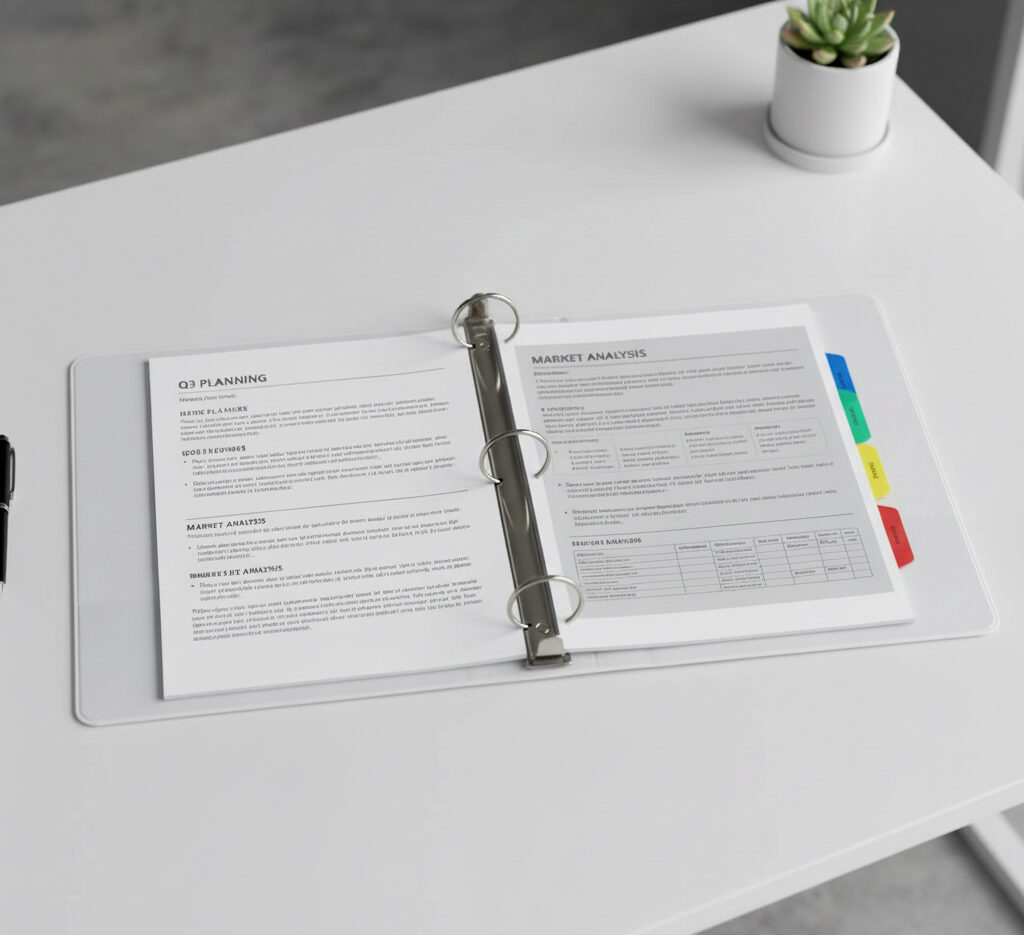
Start with your page count and paper weight, then add in anything that adds bulk, like tabs, sheet protectors, or index sets.
How Much Space Does Paper Take Up in a Binder?
Standard 20lb bond paper runs about 0.004 inches thick per sheet. Multiply that by your page count to get a baseline, then factor in tab dividers, index sets, and sheet protectors, since those add thickness too. If you expect the binder to grow, size up or lean toward a D-ring.
What Accessories Should You Plan For?
Use a three-hole punch aligned to standard North American spacing. If pages will get handled a lot, consider reinforcement labels or heavier stock. Sheet protectors can add real thickness per sheet, so build that into your capacity planning.
Can You Get Binders Assembled and Ready to Use?
Yes. We can collate your pages, three-hole punch them, insert tabs, and load everything directly into the ring style you choose. D-rings work well for tabbed sets and heavy-duty protectors because they keep tabs visible and reduce curling. O-rings are a good fit for slimmer handouts or single-session presentations where a compact profile matters more than capacity.
Which Binder Should You Choose for Your Use Case?
Choose D-rings for high-volume or frequently updated documents, and O-rings for lighter, less frequent use.
- D-rings: training manuals, operations guides, policy binders, reference books, and archives that keep growing.
- O-rings: client presentations, small project books, lookbooks, and materials you won’t flip through daily.
For multi-volume programs, a few medium-size D-ring binders often work better than one overstuffed binder. If portability is the priority, an O-ring keeps things slim.
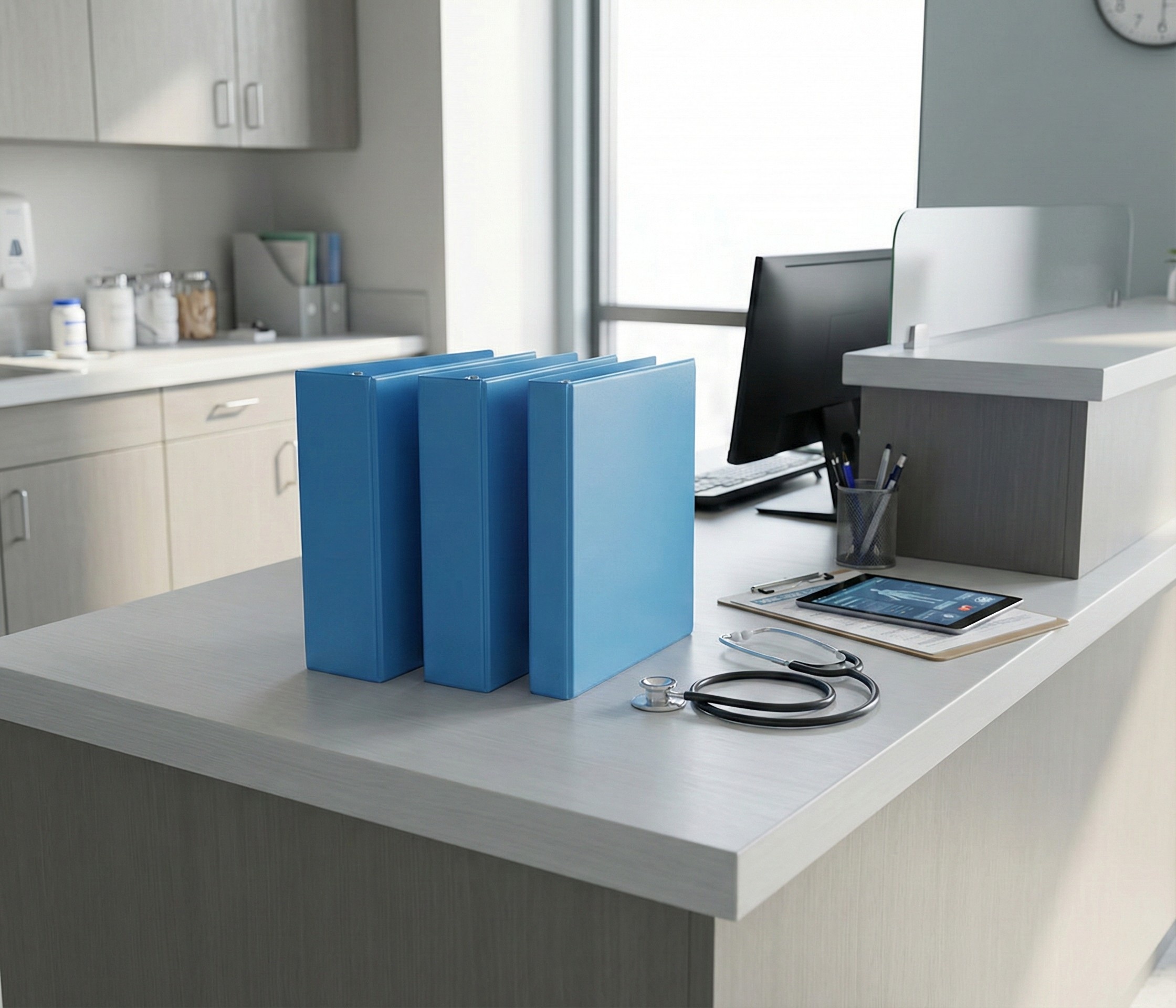
Healthcare and clinical teams have their own set of requirements, from patient education materials to protocol binders that get handled constantly. If that’s your world, see how ring binders hold up in healthcare settings for guidance specific to that environment.
How Do You Order Custom D-Ring or O-Ring Binders?
Tell us your ring style, size, color, and quantity, along with your page count and any add-ons, and we’ll confirm capacity and turnaround before you order.
What Materials and Customization Options Are Available?
Choose durable vinyl or poly covers, clear overlay pockets for custom cover sheets, spine labels for quick identification, and reinforced edges for high-circulation use. Add printed tab dividers, branded cover inserts, and color matching to keep everything on-brand.
What Quality Features Come Standard?
Smooth-action rings, easy-open boosters, and sturdy hinges protect your pages through frequent use. Pair your binder with heavy-duty sheet protectors and write-on tabs to finish the set.
What Information Do You Need to Place an Order?
Share your ring style, ring size (0.5 to 4 inches), color, and quantity, plus your page count, paper weight, and any add-ons like tabs, protectors, or pocket folders so we can confirm capacity. We also offer collating, three-hole punching, and insertion services if you want binders delivered fully assembled. Standard and rush turnarounds are both available. For larger runs or custom printing, build in extra time.
How Do You Care for a Ring Binder?
Store binders upright to avoid warping, use the boosters when opening rings to ease hinge stress, and avoid overfilling. A soft cloth keeps covers clean. Our support team can help with capacity planning, reorders, and replacements.
Frequently Asked Questions
Is a D-ring or O-ring binder better for training manuals?
D-rings are the better choice for training manuals. They hold more sheets, keep pages flatter for easier reference, and hold up better when the content gets updated often.
How many sheets does a 1-inch binder hold?
A 1-inch D-ring binder holds noticeably more than a 1-inch O-ring binder of the same size, since D-rings use the flat edge of the ring to measure capacity rather than the full diameter.
Do sheet protectors affect binder capacity?
Yes. Sheet protectors add real thickness per sheet, so account for them when calculating how many pages will fit, especially in binders that are already near capacity.
Are O-ring binders a good fit for frequently updated documents?
Not usually. O-rings put more pressure on the innermost pages, which can cause creasing over time if you’re adding and removing sheets often. A D-ring holds up better for that kind of regular use.
Key Takeaways
- D-rings hold more sheets, keep pages flatter, and hold up better under frequent use.
- O-rings are lighter and better suited to presentations or materials you won’t flip through daily.
- Factor in paper thickness, tabs, and sheet protectors when calculating capacity.
- We can supply, punch, and assemble either ring style so your binder arrives ready to use.
Build your binder order now and we’ll help you land on the ring style that fits your content and your team’s daily use.
What you should read next

Shari Cooke
Director of Customer Service
Shari Cooke is Director of Customer Service for Mimeo Business US, with more than 12 years at Mimeo and a background in graphic design that gives her a unique eye for both the creative and operational sides of print. Based in Memphis, she leads the team that keeps customer orders running smoothly from file to delivery. Her posts help businesses avoid common print pitfalls and get professional results, drawing on years of solving real customer challenges firsthand.

 Mimeo Print
 Mimeo Digital for Participants
 Mimeo Marketplace
 PrintX
 Mimeo Photos