


 By Shari Cooke
•
7 Apr 2026
•
Updated 21 Jul 2026
•
7 min read
•
Design & Print Production
By Shari Cooke
•
7 Apr 2026
•
Updated 21 Jul 2026
•
7 min read
•
Design & Print Production
The best paper for brochures is 100 lb gloss text. It delivers vibrant color, a professional finish, and folds cleanly for formats like tri-folds and bi-folds.
If you are choosing based on specific needs, here are the top options:

- Best overall: 100 lb gloss text for bold visuals and versatile use
- Best for readability: 100 lb matte or silk text to reduce glare and improve legibility
- Best for premium feel: 100 lb cover for thicker, high-end handouts
- Best budget option: 80 lb text for cost-effective bulk printing
Selecting the right brochure paper depends on how you want your piece to look, feel, and perform. When printing custom brochures for your business, it’s essential to choose the right paper type, weight, coating, and finishing. Use this guide to choose the right combination for tri-fold, bi-fold, and multi-page brochures.
Brochure Paper Types at a Glance
Brochure paper generally falls into two categories: text paper and cover paper.
Text paper, commonly 80 lb or 100 lb text, is lighter and more flexible. It works best for folded brochures that need to mail efficiently or display in bulk.
Cover paper, such as 80 lb or 100 lb cover, is thicker and more rigid. It creates a premium feel for handouts and leave-behinds.
Each serves a different purpose:
- Text stocks are cost-effective, fold cleanly, and support high-volume distribution
- Cover stocks elevate perceived value, resist wear, and maintain structure in displays
Both options come in coated and uncoated finishes to fine-tune print sharpness and color depth.
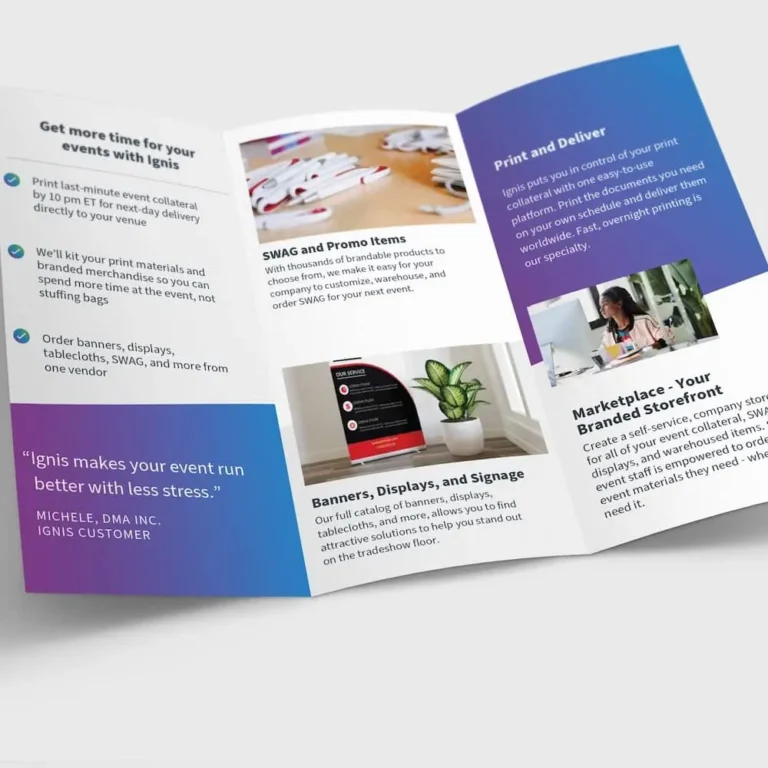
Match the stock to your use case:
- Vibrant programs, menus, and product showcases: choose coated text or cover for sharp detail and rich color
- Corporate handouts and service overviews: use uncoated text for a natural, writable surface
- Frequent handling or long-term use: choose a heavier cover stock or laminated text stock
Pro tip: Request a swatch book or printed samples to see how inks and finishes interact with different stocks.
Paper Weight and Thickness Explained
Paper weight affects how your brochure feels, folds, and mails. Heavier papers signal quality and reduce show-through, while lighter weights are easier to fold and reduce postage costs.
In the United States, brochure stocks are listed by basis weight and sometimes gsm.
Recommended weights by format:
- Tri-fold brochures: 80 lb or 100 lb text for clean folds and efficient mailing
- Bi-fold brochures: 100 lb text or 80 lb cover for added structure
- Gate-fold or roll-fold brochures: 80 lb text to reduce panel stress
- Premium handouts: 100 lb cover for a thicker, card-like feel
Thickness also impacts durability and presentation. Thicker sheets help prevent show-through and keep panels aligned.
Keep in mind that heavier or coated stocks may crack at the fold if not scored. Always plan for scoring when using thicker materials.
Coated vs. Uncoated Paper
Coated papers have a smooth surface that enhances detail, color saturation, and contrast.
Uncoated papers are more porous and offer a natural, tactile feel with softer image reproduction.
Choose coated when your brochure is image-heavy and relies on sharp visuals. This works well for industries like real estate, travel, hospitality, and retail.
Choose uncoated when readability and writability matter. This is ideal for nonprofits, education, and professional services.
If your brochure includes forms or notes, uncoated paper is the better choice. If visuals are the priority, coated paper will deliver stronger results.
Finishing Options for a Professional Touch
Finishes influence how your brochure looks and feels, and can also make your brochure more engaging.
- Gloss: maximizes color vibrancy and contrast
- Matte: reduces glare and improves readability
- Satin or silk: balances vibrancy with a softer finish
Lamination adds durability and protection from moisture and wear.
- Gloss lamination enhances shine and color depth
- Matte or soft-touch lamination creates a smooth, premium feel
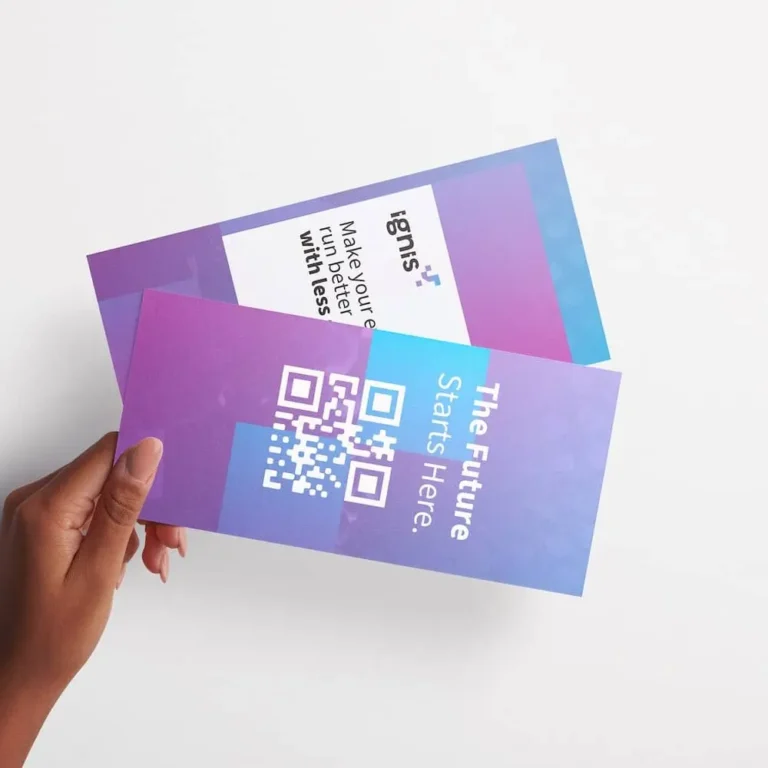
Additional finishing options include:
- Spot UV to highlight key elements
- Foil stamping for metallic accents
- Scoring to prevent cracking on folds
- Rounded corners to reduce wear
The right finish can elevate a standard paper choice and improve durability without increasing costs significantly.
Specialty Paper Options for Standout Brochures
Specialty papers help differentiate your brochure and reinforce your brand. Choosing the right brochure for your business can help your message stand out.
Options include:
- Recycled paper for sustainability-focused messaging
- Textured stocks like linen or felt for added dimension
- Metallic or pearlescent finishes for visual impact
Use specialty stocks strategically:
- Technology brands often choose smooth matte-coated stocks for a clean, modern look
- Luxury and hospitality brands benefit from satin finishes with spot UV accents
- Eco-focused organizations prefer recycled or uncoated options
Always request print proofs when using specialty materials to ensure color accuracy and readability.
How to Choose the Best Paper for Your Brochure
Start with your goals, then match your paper and finish accordingly:
- High visual impact: 100 lb text or 80 lb cover with gloss or satin finish
- Text-heavy content: 80 to 100 lb uncoated text for readability
- Premium handouts: 100 lb cover with soft-touch finish
- Frequent handling: 80 lb cover or laminated 100 lb text
- Eco-conscious campaigns: recycled uncoated text

Focus on key factors:
- Image quality
- Writability
- Mailing weight
- Durability
This approach will help you select the best paper for your brochure while staying within budget.
Key Takeaways
- 100 lb gloss text is the most versatile choice for brochures
- Use text weight for folding and cover weight for durability
- Choose coated paper for visuals and uncoated for readability
- Finishes enhance both appearance and longevity
- Always test with samples before committing to a full print run
- There are many benefits to printing brochures for your business
The best paper for brochures is the one that supports your design, fits your distribution plan, and reflects your brand. With the right combination of stock, weight, coating, and finish, your brochure will look polished, feel professional, and perform in real-world conditions.
Get the right paper for your next brochure with zero guesswork.
Browse Mimeo’s brochure printing options, compare paper types, and order high-quality prints delivered when and where you need them. Get started with professional brochure printing today.
Frequently Asked Questions
What is the best paper weight for brochures?
The best paper weight for most brochures is 100 lb text. It offers a professional feel while still folding cleanly for formats like tri-folds. For thicker, more premium brochures, 80 lb or 100 lb cover stock is a strong option.
Is gloss or matte better for brochures?
Gloss is better for brochures with photos or bold colors because it enhances vibrancy and contrast. Matte or silk is better for text-heavy brochures because it reduces glare and improves readability. The right choice depends on whether visuals or readability matter more.
What paper is best for tri-fold brochures?
80 lb or 100 lb text paper is best for tri-fold brochures. These weights are flexible enough to fold without cracking while still providing a professional look. Heavier paper should be scored before folding to prevent damage.
What is the difference between text and cover paper?
Text paper is lighter and more flexible, making it ideal for folded brochures and high-volume printing. Cover paper is thicker and more rigid, which gives brochures a more premium, durable feel. Text is best for mailing and folding, while cover is better for handouts and presentations.
Brochure Paper Comparison Table
Start with your goals and constraints, then match paper and finishing to the job:
| Objective | Recommended Paper | Finish | Notes |
|---|---|---|---|
| High visual impact | 100 lb text or 80 lb cover, coated | Gloss or satin | Great for photo-heavy designs and product showcases. |
| Readable, text-forward | 80–100 lb text, uncoated | Matte/uncoated | Low glare, easy to annotate during presentations. |
| Premium handout | 100 lb cover | Soft-touch matte | Luxurious feel for executive or sales leave-behinds. |
| Frequent handling | 80 lb cover or laminated 100 lb text | Gloss or matte lamination | Added protection for menus, trade shows, and lobbies. |
| Eco-first messaging | Recycled uncoated text | Uncoated or light satin | Balances sustainability goals with legibility. |
If you’re unsure which brochure paper to pick, define the must-haves: image quality, writability, mailing weight, and durability. That checklist will point you to the best paper for printing brochures that fits your budget and timeline.

Shari Cooke
Director of Customer Service
Shari Cooke is Director of Customer Service for Mimeo Business US, with more than 12 years at Mimeo and a background in graphic design that gives her a unique eye for both the creative and operational sides of print. Based in Memphis, she leads the team that keeps customer orders running smoothly from file to delivery. Her posts help businesses avoid common print pitfalls and get professional results, drawing on years of solving real customer challenges firsthand.

 Mimeo Print
 Mimeo Digital for Participants
 Mimeo Marketplace
 PrintX
 Mimeo Photos